SP
MOJŻESZ
Prorocy
Pokaż innego proroka. Nie ma? Powiedz: „nie ma”.
MMXXVI03/40
A game about the saints for the whole family. A point for knowing.
from age 3 · ~20 min
42/100 decks ordered in the Polish presale · the first run prints at 100
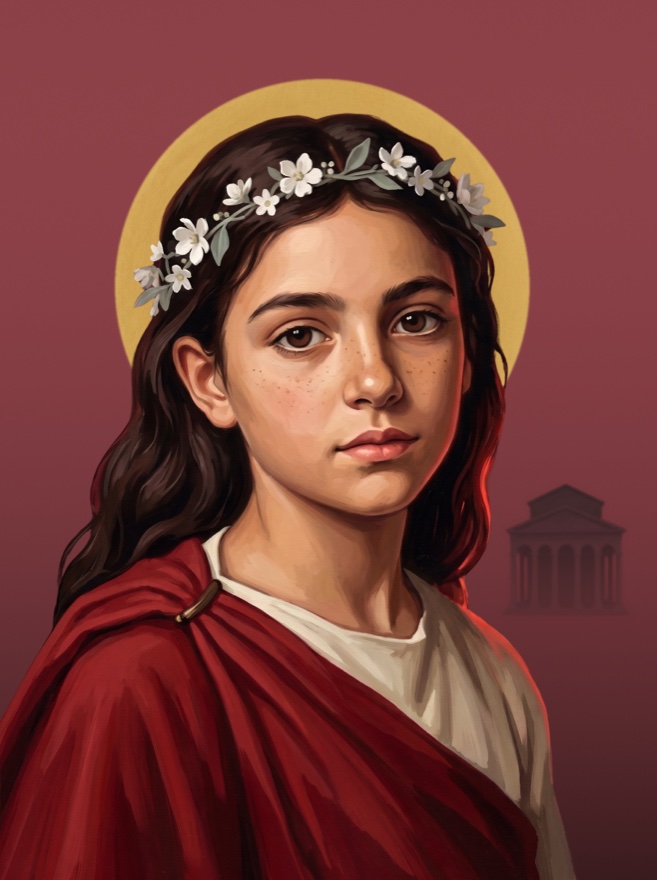
That is not a rhetorical question. At this table everyone gets a question cut to their size — a child points at a symbol, an adult answers from Church history — and a point is worth exactly the same. Nobody is given a handicap and nobody is bored. Click through both sides of the table.
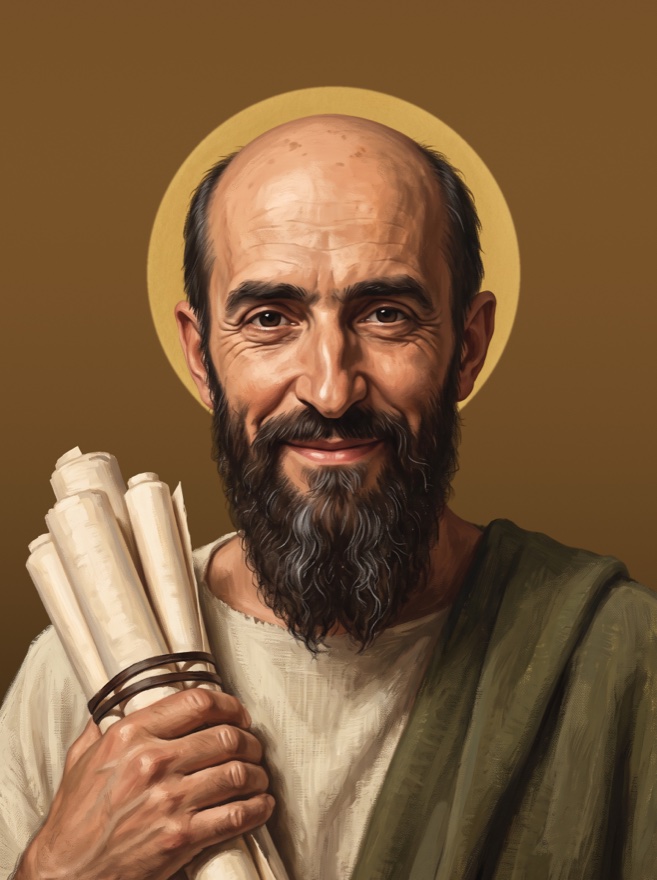
Your marker lies on Paul · +1
You call on St Paul. To make him your Intercessor, answer:
Painters show Paul falling from his horse outside Damascus. What does the text of Acts say about the horse?
The answer is in Acts 9:3-4
Missed — and you lose nothing. The text only says Saul “fell to the ground”. Who fell with him, and who did not? Try again.
Close, but no. Saul did carry letters from the high priest (Acts 9:1-2). But did anything carry him? Try again.
Right. You lay your marker on Paul — he is now your Intercessor, and you have a point. At a real table it looks exactly the same.
Light, a fall and a voice — nothing more. The horse came later, from the painters. In Caravaggio it fills half the canvas, yet the text never mentions it.
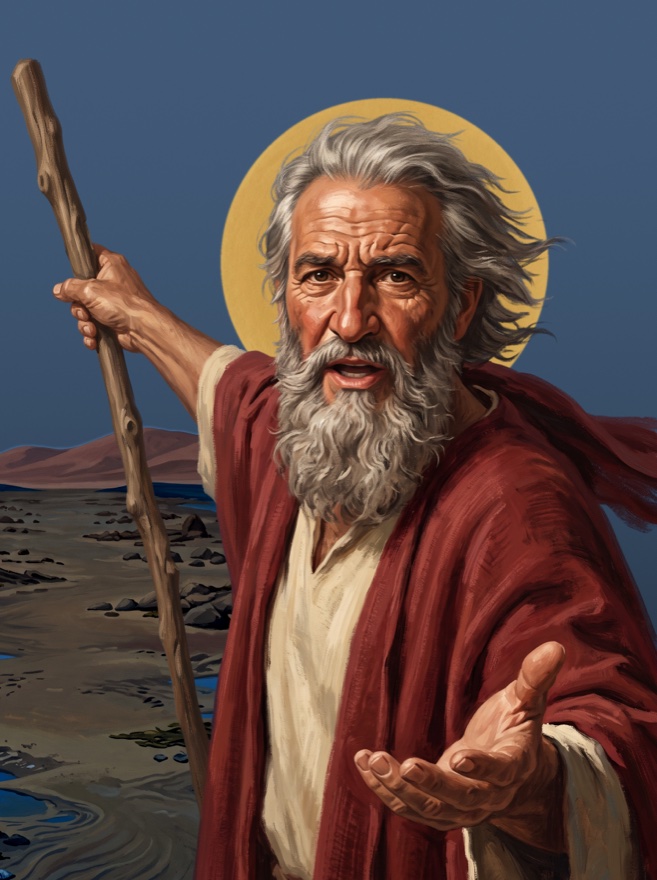
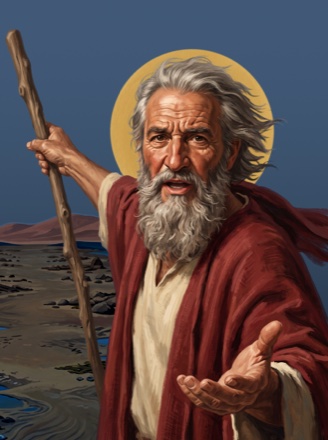
Moses is looking for another Prophet.
Point to someone on the table with the same Host mark.
Missed. The Host mark sits in the bottom right corner of the card. Look for the same one Moses has.
Well done! You lay your marker on Jonah — a Prophet too, with the same Host mark as Moses. The point is yours.
No reading and no handicap: the mark in the corner of the card was enough. A child who cannot read yet won the same round as the grown-up.
The child reads on their own a historical note from the booklet and answers the quiz question attached to it.
An adult reads a simple quiz aloud from the booklet, and the preschooler, who cannot read yet, answers by ear.
The youngest solve picture-based tasks only — finding symbols on the cards with a finger, exactly as on the interactive table above.
A real box and thick cards on the table. Pick the deck for your family.

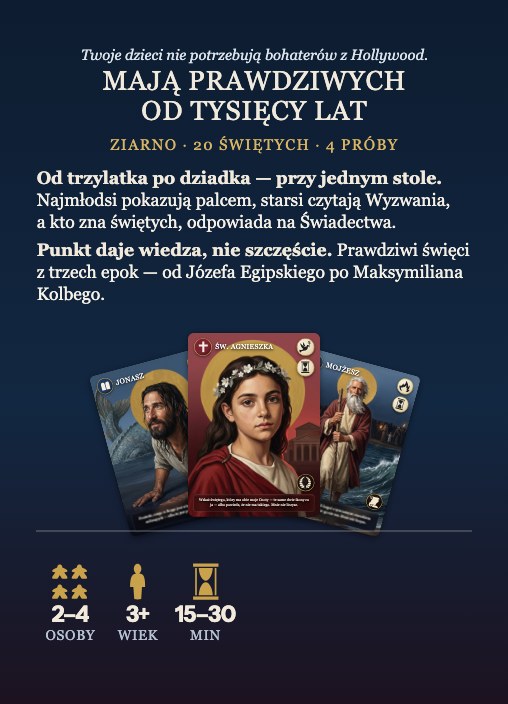



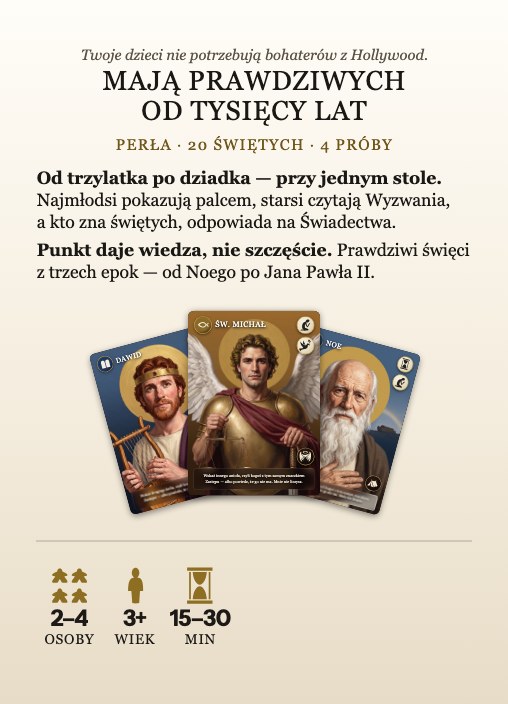


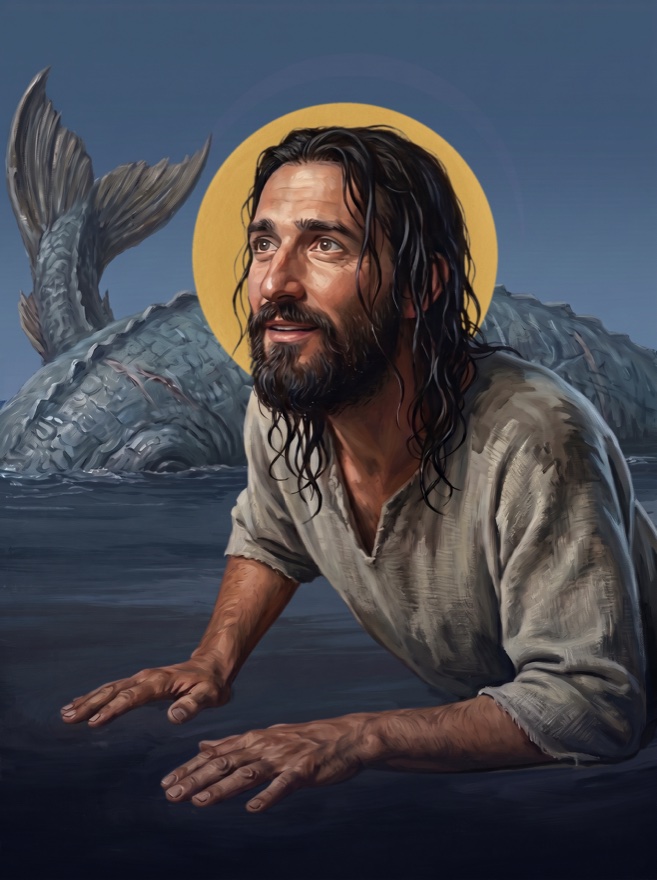
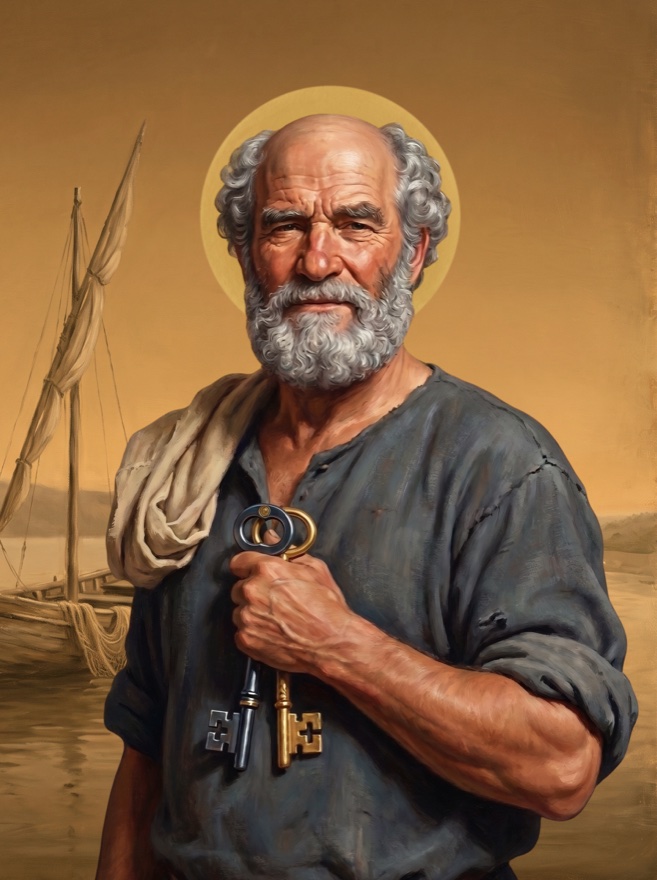
The complete 40-saint roster in two compact tuckboxes. Full standalone gameplay — made for long autumn and winter evenings.
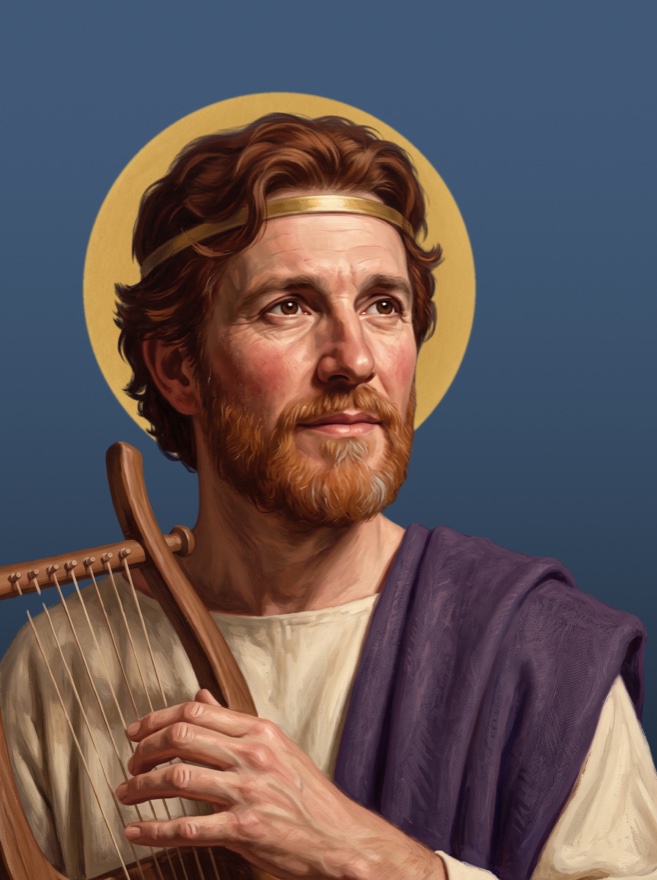
The first deck to start with: 20 saints (St Peter, St Augustine and King David among them), 4 Trial cards and a collectible Mary card. A full game for 2 players in one box; for three or four, combine it with ZIARNO.
In a deep-navy box — 20 more saints (St Paul, Moses and St Maximilian Kolbe among them), 4 Trial cards and a collectible Mary card.
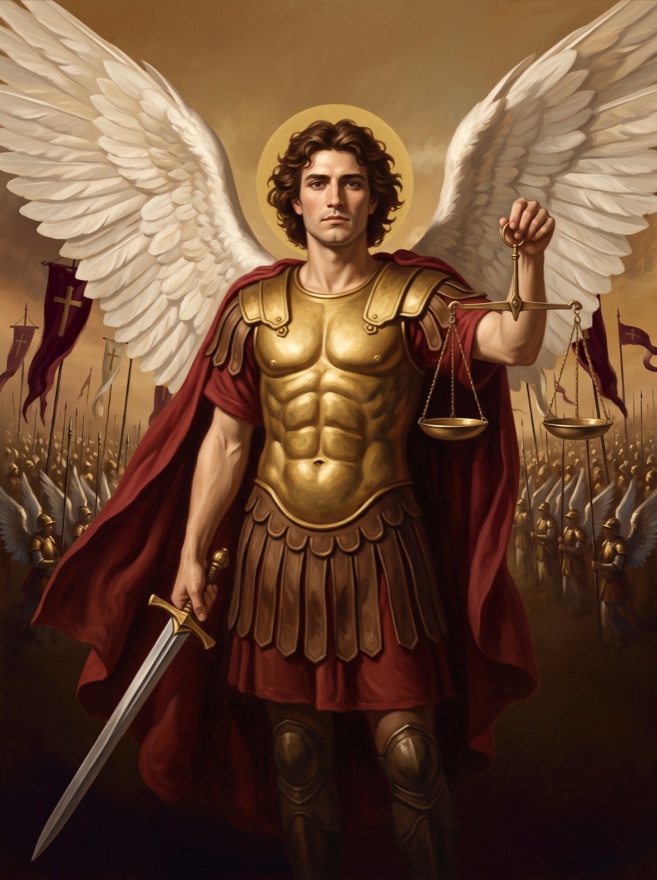
Gouache and tempera on canvas, a single light source, a muted earthen palette. Click a card to step closer — as you would in a museum.
Cards shown in Polish — the printed game is Polish-first.
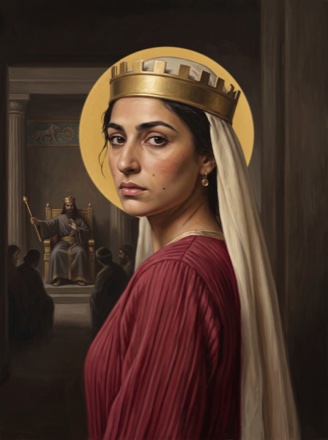
We paint the saints unretouched — wrinkles, weariness, work-worn hands. Closer to life than to a holy card. The pictures are made with the help of AI, but none is a first result: 207 versions, and every card passes the six-year-old test — if our child cannot recognise the saint, the card goes back for another pass.
A card
is a sentence
about a hero
who really lived.
By the grace of God.
In this game the seven deadly sins are seven cards. None attacks a player — a Trial lands beside a saint and makes things harder around it. As in life: sin does not take a person away, it makes it harder for them to connect with others.
Two separate points, counted at the end: the Intercessor and the lifted Trial.
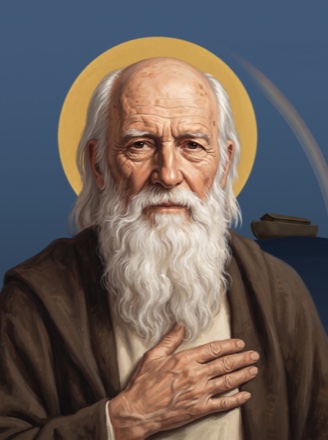
The card in your hand matches the saint in the Circle — you can lay it beside that saint. What happens when a Trial lands next to it? PYCHA touches the saint in the Circle. Nobody can lay a card beside that saint through what joined the two — the card in your hand has to go somewhere else. The saint itself stays in the Circle and still counts. It is lifted by a saint with the Virtue POKORA. NOE carries that Virtue — and a Trial never hinders a saint with its own Virtue. It lies beside the Trial, so call that saint: answer its Challenge. You put your marker on it — it becomes your Intercessor (+1), and the lifted Trial goes in front of you (+1). Its square stays empty: the cards do not slide. The card in your hand can be laid again.
Tap a card to see it big.
From three. The SEEKER level (ages 3–4) plays paired with an adult: the adult offers two cards, the child picks one and points at what matches what. No reading and no knowledge of the saints required.
No. There are no instruments of death on the cards: Kolbe without the camp stripes, Abraham without the knife. Martyrdom is told in words fit for the age — never shown.
2–4 players, about 20 minutes. The hand shrinks as players are added (4 · 3 · 2 cards; four players on both decks hold 3) — deliberate, and confirmed across hundreds of test games.
No — and you never will. A point is won by knowing, never by owning a card. Collector cards change the illustration only; there are no booster packs and no random bundles.
Every card carries historical research with its source written down, kept apart from pious tradition. Before print, the whole text goes to church consultation.
Write to us: kontakt@hosanna.pl.
Looking for a game that helps children get to know the saints? I can tell you how it plays and from what age — who is it for?
See the decks and prices