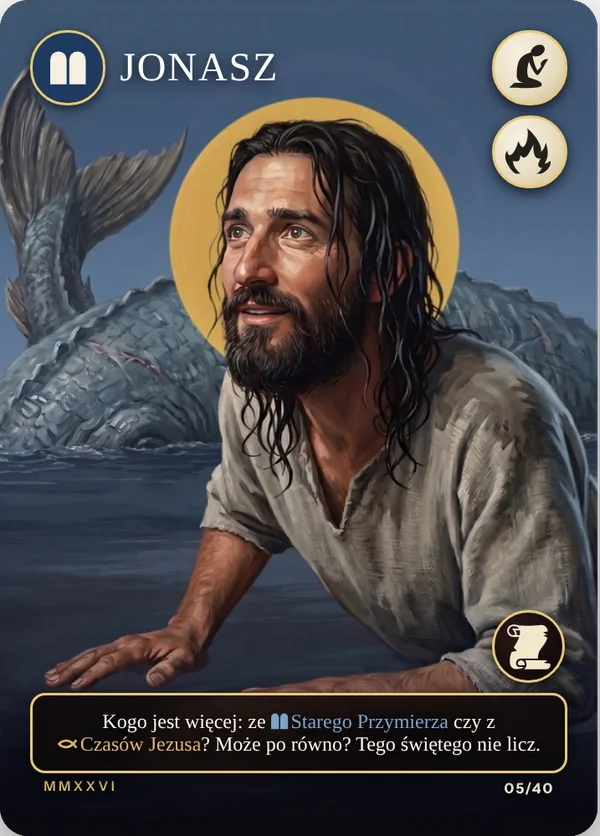
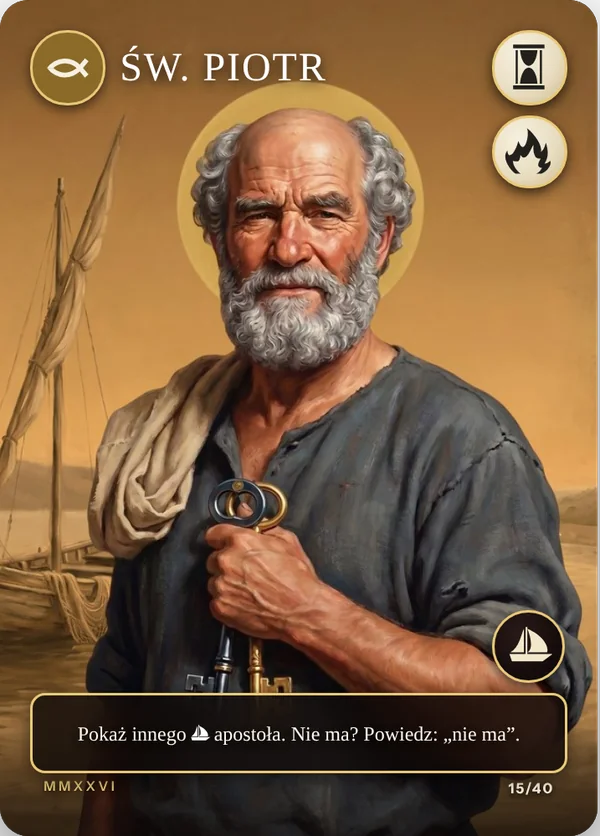
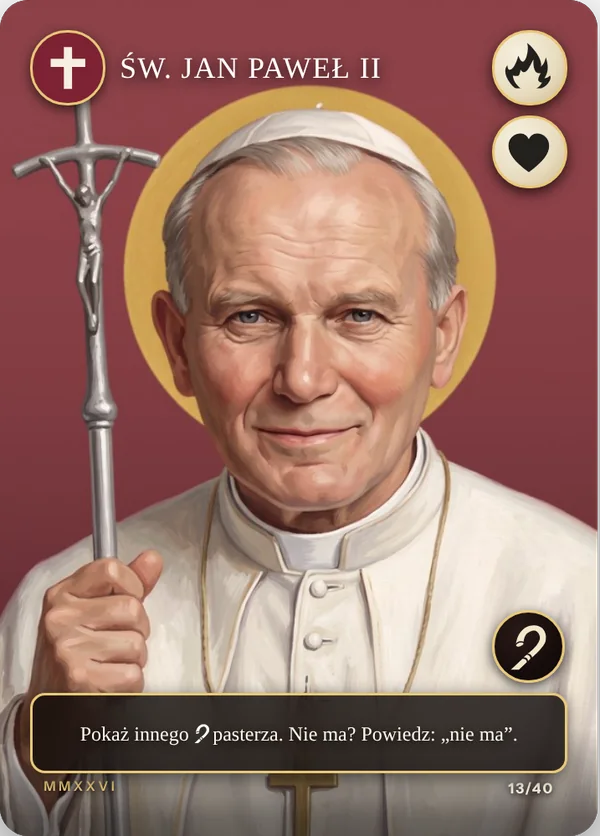
Rules and questions are shown in Polish — the printed game is Polish-first.
InstalledIn Safari: Share → “Add to Home Screen”.
How to play — in 5 minutes
2–4 players · ages 3+ · about 20 min
Most points at the end wins:
your marker on a saint — you called them and answered right1
a Trial lifted by your call1
1
In the box
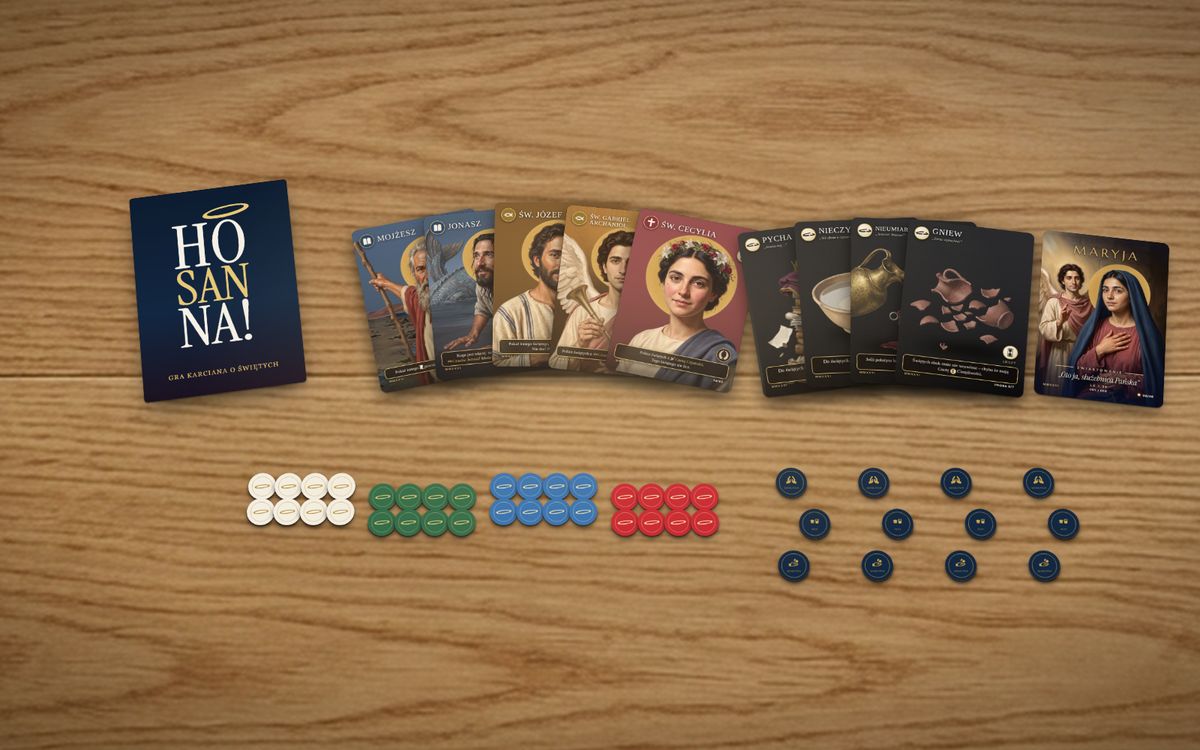
20 saint cards, 4 Trial cards, the Mary card (first print run only), 5 rule cards and 4 punch-out player cards: 32 markers (8 in each of 4 colours) and 12 deed tokens.
PERŁA and ZIARNO are two decks of 20 saints each. One deck is for two players; with three or four players combine both — 40 saints.
2
A card in 10 seconds
1234
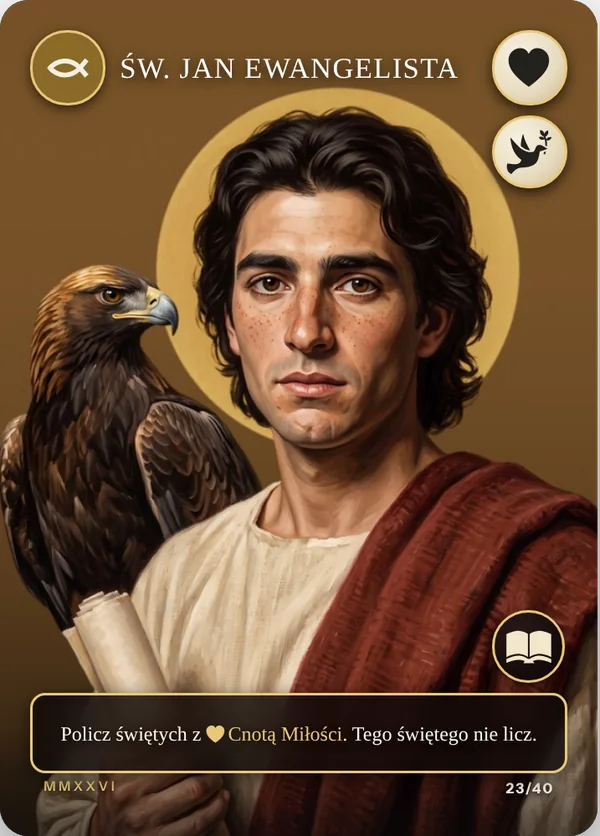
Epoch — the shield top left and the card colour: Old Covenant (blue), Time of Jesus (gold) or the Church (red).
Virtues — two light discs top right, e.g. Love and Purity.
Host — the dark disc at the bottom: who the saint was — prophet, apostle, evangelist…
Challenge — the framed sentence. You answer it when you call the saint.
Epoch, Virtue and Host are the keys: you lay a card next to a neighbour it shares at least one of them with.
3
Setup
One saint lies in the middle of the table. Silent.
Put the top card of the deck in the middle — the start of the Circle. A Trial? Shuffle it back into the deck and take the next one.
Hand: 4 for two players, 3 for three, 3 for four. A Trial in your opening hand is shuffled back into the deck; draw another card.
8 markers in your colour (12 with both decks).
3 deed tokens.
The rest of the deck face down. The youngest starts.
With three or four players, combine PERŁA and ZIARNO. The Mary card is not played — set it aside.
Everyone answers at their own level
Ages 3–4with an adult; points to what the card matches
Ages 5–6someone reads them the Challenge; they point to the answer
Ages 7–11reads the Challenge and answers
12+answers a Testimony — a question from the Saints tab
4
Your turn: three moves
A saint does not speak on their own. You have to call them.
aLay
bCall
cDraw
aLay
Lay a card from your hand side by side with a card in the Circle. It must share an Epoch, Virtue or Host with that neighbour.
You decidewhich card, and next to whom.
bCall
Pick a silent saint — the one you just laid or another without a marker — and answer their Challenge. Right? Put your marker on them: your Intercessor. Wrong? You lose nothing; the saint stays silent.
You decidewhom to call.
cDraw
Draw from the deck back to a full hand. The next player goes.
5
Trials
Evil fits anywhere and slips in out of turn.
aA Trial comes in
Drew a Trial? It does not go to your hand. You lay it in the Circle at once — side by side with any card, no match needed — and draw another card in its place. At most 3 Trials lie in the Circle; if that many are there, put the drawn one under the deck.
Every Trial hinders the cards it touches — what it does is printed on it. Wrath: saints next to it cannot be called unless they have Patience.
You decidenext to whom to lay the Trial, so it hinders the others and not you.
bOvercome a Trial
Lay a saint side by side with the Trial. You match them as always — to a saint beside them, not to the Trial.
Call them and answer. If they have the Virtue the Trial shows next to 'lifted by', a right answer lifts the Trial: put it in front of you. That is your point.
You decidewhere to lay a saint with the right Virtue to reach the Trial.
cAfter a Trial
A lifted Trial lies in front of whoever lifted it — that is their point. Its place stays empty: cards never shift, and later you may lay a card into the gap when it matches a saint beside it.
6
Three deeds
Prayer — after a miss someone at the table answers with you and you try again.
Fasting — put a card from your hand under the deck and remove any Trial from the Circle. Fasting scores no point.
Almsgiving — after your call, give a card from your hand to someone, then lay and call one more saint yourself.
Each deed once a game, on your turn, on top of it. Turn a used token over.
First game? Play without the deeds — add them once the three moves of a turn come easily.
7
End
It is not the best cards that win — it is knowing the saints.
When the deck runs out, play one more full round. When someone places their last marker, finish the current round. Then count the points.
A tie? Whoever lifted more Trials wins. Still a tie — you win together.
That is all. Deal the cards.
All rules, exceptions and the dictionaryFor questions during the game.
Eleven Hosts (in brackets: how many saints across both decks)
Patriarchowie (3)
Prorocy (4)
Królowie (2)
Świadkowie (5)
Ewangeliści (3)
Aniołowie (2)
Pasterze (3)
Męczennicy (5)
Apostołowie (4)
Założyciele (6)
Doktorzy (3)
Step 2
Who answers how
Everyone answers at their own level — and every point counts the same.
3–4lataPoszukującyGra w parze z dorosłym. Dorosły podaje mu dwie karty, dziecko wybiera jedną i POKAZUJE PALCEM, do czego pasuje: ten sam kolor albo ta sama ikonka. Dobrze? To jego Orędownik.
5–6latSłuchaczKtokolwiek czyta mu WYZWANIE z karty na głos, a on odpowiada, POKAZUJĄC PALCEM w Kręgu albo mówiąc. Nic nie jest ukryte, więc czytający niczego nie zdradza.
7–11latUczeńWykonuje WYZWANIE wydrukowane na karcie.
12+latŚwiadekOdpowiada na ŚWIADECTWO o tym świętym (the questions are in the Saints tab).
A Testimony is a question about this saint's life, checked against sources. The Witness picks, in the Saints tab, the saint on the card being called and draws a question. The questions open from the link in the order e-mail or with the code on the cover of the rule cards in the box.
The Saints tab also has the pools "Basic" and "Harder". That is a quiz for learning outside the game, not a level at the table.
Wybierz poziom, na którym naprawdę umiesz odpowiedzieć. Jeśli czytasz, nie graj jako Poszukujący; jeśli znasz świętych, graj jako Świadek. Możesz zagrać niżej — wtedy grasz w parze z młodszym graczem i nie masz własnych punktów: podpowiadasz mu, podajesz karty, a wygrana jest jego. W trakcie partii możesz przejść wyżej.
Step 3
Setup
One deck plays best with two. With three or four, combine PERŁA and ZIARNO.
Step 4
Your turn
aLay a card
Lay a card from your hand next to one on the table — side by side, not corner to corner — so that it shares its Epoch, Virtue or Host.
Matching one saint beside it is enough, even if the card touches several.
Any empty square beside the Circle will do — including the square left by a lifted Trial (Trials are step 5).
A Trial beside the square is not a match: only a saint counts.
A card laid against the rules goes back to the hand — lay it or another one at once. Nobody loses anything.
bCall a saint
Call one silent saint — the one that has just joined the Circle, or any other — and answer their Challenge.
Right? Put your marker in the bottom-left corner of their picture — that is your Intercessor and a point.
Wrong? Nothing happens: the card stays silent, and your turn and points stay too.
If a Trial healed by the called saint's Virtue lies beside them, a right answer lifts it (step 5).
Nobody to call (no silent saints, or a Trial blocks them all)? Skip the call.
How to answer a Challenge
Liczysz tylko świętych w Kręgu — nie karty z ręki i nie tę, z której czytasz Wyzwanie. Święty z obiema porównywanymi Cnotami liczy się po obu stronach.
Święty to każda postać — także Noe czy Mojżesz. Próby nie są świętymi: ich nie liczysz i nie wskazujesz.
„Zero”, „nie ma” i „po równo” też są dobrymi odpowiedziami.
cDraw
Draw from the deck back to a full hand. Next player.
Empty hand (the deck ran out, or a Trial took your draw)? On your turn you only call, then draw if the deck has anything left.
Nowhere to lay a card? Only when truly no card in your hand fits anywhere: put one at the bottom of the deck, draw a new one and call a silent saint anyway. You do not lay the newly drawn card on that same turn.
Example. You hold St Clare and St Benedict, and neither shares an Epoch, a Virtue or a Host with a saint beside an empty square. Put Clare at the bottom of the deck, draw a new card and call a silent saint. You do not lay that new card now.
In the dictionary:
Step 5
Trials
Prób nie trzyma się na ręce. Kiedy dobierzesz Próbę, od razu dokładasz ją do Kręgu — obok dowolnej karty, bo zło pasuje wszędzie — i dobierasz w jej miejsce następną kartę. W Kręgu leżą najwyżej TRZY Próby naraz: jeśli trzy już leżą, dobraną odkładasz na spód talii i dobierasz następną.
Próba utrudnia życie kartom, których dotyka bokiem — na niej jest napisane, co robi. Zdejmiesz ją, wzywając obok świętego z jej Cnotą. Zdjęta idzie przed Ciebie: jeden punkt, jak Orędownik. Pole zostaje puste, karty się nie przesuwają. Gdy dziura przetnie Krąg na dwie części, dokładasz do obu części — i w samą dziurę, gdy karta pasuje do świętego obok.
Example. St Augustine lies side by side with Pride and has Humility. You call him and answer correctly: Pride goes in front of you, that is your point, and its square stays empty. The saints on both sides stay where they are — there is a hole between them, and you keep adding cards to both parts of the Circle.
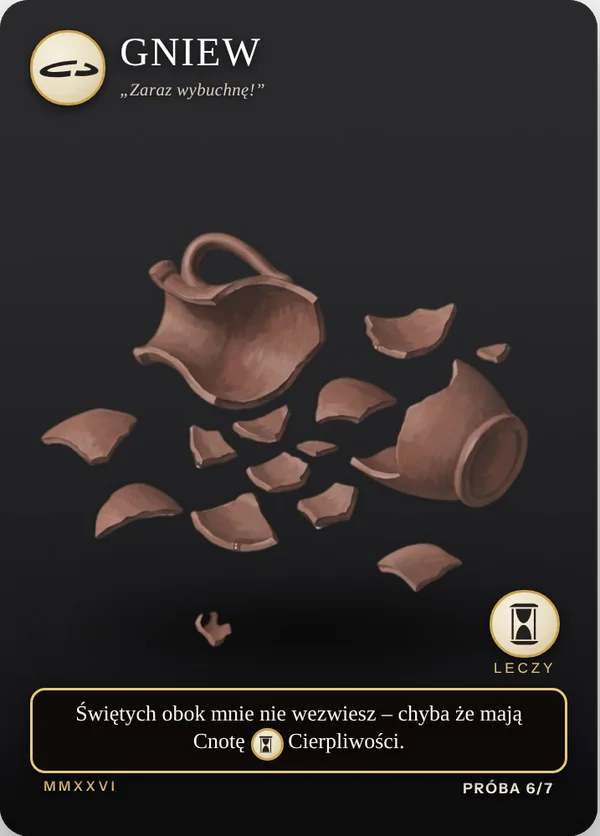
On a Trial card, the disc marked LECZY ("heals") shows the Virtue that lifts it.
Próba nigdy nie przeszkadza świętemu, który ma jej Cnotę. Obok Lenistwa nie wezwiesz świętego bez Gorliwości, obok Gniewu — bez Cierpliwości. Pycha blokuje tylko dopasowanie Epoką: przez Cnotę i Zastęp karty dalej się łączą.
ModlitwaKiedy się pomylisz, poproś o pomoc: ktoś przy stole odpowiada razem z Tobą i próbujesz jeszcze raz.
PostOddaj jedną kartę z ręki na spód talii — i odłóż do pudełka dowolną Próbę z Kręgu. Za Post nie ma punktu.
JałmużnaPo swoim wezwaniu daj innemu graczowi kartę z ręki — a sam dołóż drugą i wezwij kolejnego świętego.
Każdy z trzech uczynków możesz zrobić raz na partię. Nie zamiast tury — w dodatku do niej. Cała sztuka polega na tym, żeby wiedzieć kiedy.
After a deed, turn its token over.
Step 7
The end and points
End of the game
The game ends in one of two ways:
The deck runs out — play one more full round, and that is the end.
Someone lays their last marker — finish the current round, and that is the end.
Wyszło po równo? Wygrywa ten, kto zdjął więcej Prób. Jeśli i tu po równo — wygrywacie razem.
Optional: Host Majority
An optional module, outside ordinary scoring. For each Host where you have strictly the most Intercessors, you score two extra points. A lifted Trial still scores 1 point.
Three principles of this game
Points are won by knowledge, not by cards.
Holiness is not violence. Saints bear witness.
Nobody is out of the game and nobody is too young.
Questions at the table
An Intercessor with the Trial's Virtue already lies next to it. Does it lift the Trial?
No. Only a call lifts a Trial, and nobody calls an Intercessor a second time. Lay a silent saint with its Virtue next to the Trial and call them — or use Fasting.
We play with both decks and there are two Prides. What then?
They are two separate Trials. Each counts towards the limit of three in the Circle, each is lifted on its own, and each lifted one is its own point.
I play as a Witness and have no link from the e-mail. Where are the questions?
In the Saints tab, enter the code on the cover of the rule cards in the box. With no phone at the table, this game has no Testimonies: whoever plays the Witness answers the card's Challenge and keeps their own points. Playing a level lower is something else: you choose it, play in a pair with a younger player and have no points of your own.
I help someone with Prayer. Do I get anything?
No. The Intercessor and the point belong to the one who called. Help is a gift — like Almsgiving.
For looking up
Dictionary
A dictionary for mid-game. Something unclear? Type a word or scroll — entries are in alphabetical order.
A card laid wrongly
It goes back to hand, and the player at once lays it or another card correctly. Nobody loses anything.
A hole in the Circle
When a Trial is lifted, its square stays empty. Cards do not slide and nothing moves in by itself. A hole can split the Circle in two — you lay cards on both parts and into the hole itself when the card fits at least one saint beside it.
Example. St Augustine lies side by side with Pride and has Humility. You call him and answer correctly: Pride goes in front of you, that is your point, and its square stays empty. The saints on both sides stay where they are — there is a hole between them, and you keep adding cards to both parts of the Circle.
A Trial in the opening hand
A Trial dealt into your opening hand is shuffled back into the deck; draw a new card. Not to the bottom: all such Trials would come out together at the end.
Counting in Challenges
Liczysz tylko świętych w Kręgu — nie karty z ręki i nie tę, z której czytasz Wyzwanie. Święty z obiema porównywanymi Cnotami liczy się po obu stronach.
Święty to każda postać — także Noe czy Mojżesz. Próby nie są świętymi: ich nie liczysz i nie wskazujesz.
„Zero”, „nie ma” i „po równo” też są dobrymi odpowiedziami.
Deeds — when
Każdy z trzech uczynków możesz zrobić raz na partię. Nie zamiast tury — w dodatku do niej. Cała sztuka polega na tym, żeby wiedzieć kiedy.
Empty hand
Jeśli nie masz kart na ręce (koniec talii albo Próba zabrała Ci dobranie), w swojej turze tylko wzywasz milczącego świętego i dobierasz do pełnej ręki (o ile w talii są jeszcze karty).
End of the game
Gdy z talii zniknie ostatnia karta, gracie jeszcze jedną pełną kolejkę — i koniec. Kiedy ktoś położy swój ostatni znacznik, dogrywacie kolejkę do końca — i koniec.
Fasting and points
Oddaj jedną kartę z ręki na spód talii — i odłóż do pudełka dowolną Próbę z Kręgu. Za Post nie ma punktu.
Grid and neighbours
Karty leżą w równej siatce (rząd i kolumna). Dokładasz kartę z ręki tak, żeby dotykała bokiem leżącej i miała z nią tę samą Epokę, Cnotę albo Zastęp (sam styk rogami się nie liczy). Wystarczy zgodność z jedną świętą sąsiadką. Karta położona niezgodnie z zasadami wraca na rękę gracza, który od razu kładzie tę lub inną kartę poprawnie — nikt nic nie traci.
Level: playing lower or changing
Wybierz poziom, na którym naprawdę umiesz odpowiedzieć. Jeśli czytasz, nie graj jako Poszukujący; jeśli znasz świętych, graj jako Świadek. Możesz zagrać niżej — wtedy grasz w parze z młodszym graczem i nie masz własnych punktów: podpowiadasz mu, podajesz karty, a wygrana jest jego. W trakcie partii możesz przejść wyżej.
Markers
Każdy gracz ma 8 znaczników w swoim kolorze, a z dwiema taliami 12. Wezwanego świętego oznaczasz swoim znacznikiem — to Twój Orędownik i zostaje w Kręgu. Kiedy skończą Ci się znaczniki, nikogo więcej nie wzywasz.
No legal move
Only when truly no card in your hand fits anywhere: put one at the bottom of the deck, draw a new one and call a silent saint anyway. You do not lay the newly drawn card on that same turn.
Example. You hold St Clare and St Benedict, and neither shares an Epoch, a Virtue or a Host with a saint beside an empty square. Put Clare at the bottom of the deck, draw a new card and call a silent saint. You do not lay that new card now.
Nobody to call
W swojej turze wzywasz jednego świętego: tego, którego właśnie położyłeś, albo dowolnego milczącego w Kręgu — także takiego, przy którym ktoś przed chwilą się pomylił. Jeśli w Kręgu nie ma kogo wezwać (np. brak milczących albo blokuje ich Próba), pomijasz wezwanie i tylko dobierasz do pełnej ręki.
Optional: Host Majority
An optional module, outside ordinary scoring. For each Host where you have strictly the most Intercessors, you score two extra points. A lifted Trial still scores 1 point.
Silent saint
A saint in the Circle with no marker on it yet. You may call them on your turn — the one just laid or any other, including one somebody just answered wrongly.
The Mary card
The Mary card is a collectible — first print run only. It does not take part in the game: put it aside.
Tie
Wyszło po równo? Wygrywa ten, kto zdjął więcej Prób. Jeśli i tu po równo — wygrywacie razem.
Trial limit
At most 3 Trials lie in the Circle at once. If that many already lie there, put the drawn Trial at the bottom of the deck and draw another card.
Trial: Chciwość
Jeśli położysz kartę obok mnie, nie dobierasz nowej karty.
Lifted by a saint with the Virtue: Hojność.
Trial: Gniew
Świętych obok mnie nie wezwiesz – chyba że mają Cnotę Cierpliwości.
Lifted by a saint with the Virtue: Cierpliwość.
Trial: Lenistwo
Świętych obok mnie nie wezwiesz – chyba że mają Cnotę Gorliwości.
Lifted by a saint with the Virtue: Gorliwość.
Trial: Nieczystość
Do świętych obok mnie nie dopasujesz karty Cnotą.
Lifted by a saint with the Virtue: Czystość.
Trial: Nieumiarkowanie
Jeśli położysz kartę obok mnie, nie dobierasz nowej karty.
Lifted by a saint with the Virtue: Umiarkowanie.
Trial: Pycha
Do świętych obok mnie nie dopasujesz karty Epoką.
Lifted by a saint with the Virtue: Pokora.
Trial: Zazdrość
Do świętych obok mnie nie dopasujesz karty Cnotą.
Lifted by a saint with the Virtue: Miłość.
Two decks (3–4 players)
With three or four players, combine PERŁA and ZIARNO. Everyone then takes 12 markers instead of 8. Hand size: 3 cards for three, 3 for four.
Virtue against a Trial
Próba nigdy nie przeszkadza świętemu, który ma jej Cnotę. Obok Lenistwa nie wezwiesz świętego bez Gorliwości, obok Gniewu — bez Cierpliwości. Pycha blokuje tylko dopasowanie Epoką: przez Cnotę i Zastęp karty dalej się łączą.
We are still refining the rules from real games — they may change.
The seven Trials02 / Why it is built this way
The opponent is not sitting at the table.
In this game the seven deadly sins are seven cards. None takes points or attacks a player. A Trial lands in the Circle beside a saint — and makes things harder around it: laying more cards, drawing, calling. The saint stays where it is. As in life: sin does not take a person away, it makes it harder for them to connect with others.
SP
NOE
Patriarchowie
Pokaż innego patriarchę. Nie ma? Powiedz: „nie ma”.
MMXXVI01/40
Intercessor · +1
PYCHA
„Jestem naj…”
LECZY
Do świętych obok mnie nie dopasujesz karty Epoką.
MMXXVIPRÓBA 1/7
lifted · +1
in the Circle
SP
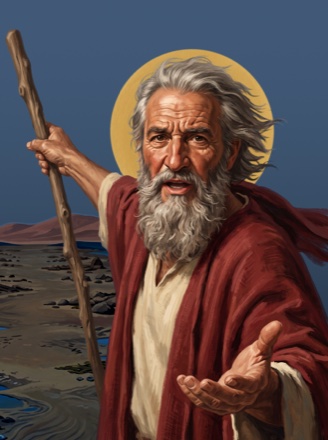
MOJŻESZ
Prorocy
Pokaż innego proroka. Nie ma? Powiedz: „nie ma”.
MMXXVI03/40
Joined by the epoch STARE PRZYMIERZE
from your hand
SP
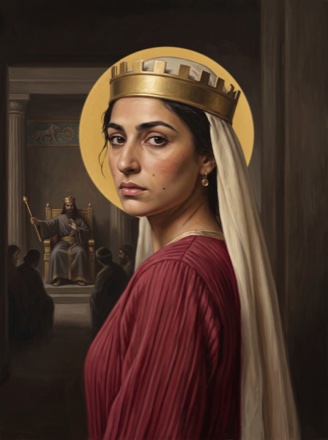
ESTERA
Królowie
Kogo jest więcej: z Cnotą Hojności czy z Cnotą Umiarkowania? Może po równo? Tego świętego nie licz.
MMXXVI06/40
Two separate points, counted at the end: the Intercessor and the lifted Trial.
The card in your hand matches the saint in the Circle — you can lay it beside that saint. What happens when a Trial lands next to it?PYCHA touches the saint in the Circle. Nobody can lay a card beside that saint through what joined the two — the card in your hand has to go somewhere else. The saint itself stays in the Circle and still counts. It is lifted by a saint with the Virtue POKORA.NOE carries that Virtue — and a Trial never hinders a saint with its own Virtue. It lies beside the Trial, so call that saint: answer its Challenge. You put your marker on it — it becomes your Intercessor (+1), and the lifted Trial goes in front of you (+1). Its square stays empty: the cards do not slide. The card in your hand can be laid again.
SP
ESTERA
Królowie
Kogo jest więcej: z Cnotą Hojności czy z Cnotą Umiarkowania? Może po równo? Tego świętego nie licz.
MMXXVI06/40
Intercessor · +1
CHCIWOŚĆ
„To moje!”
LECZY
Jeśli położysz kartę obok mnie, nie dobierasz nowej karty.
MMXXVIPRÓBA 2/7
lifted · +1
in the Circle
K
ŚW. MONIKA
Świadkowie
Pokaż innego świadka. Nie ma? Powiedz: „nie ma”.
MMXXVI31/40
Joined by the Virtue MIŁOŚĆ
from your hand
CJ
ŚW. MARIA MAGDALENA
Świadkowie
Pokaż innego świadka. Nie ma? Powiedz: „nie ma”.
MMXXVI09/40
+ you draw a card
Two separate points, counted at the end: the Intercessor and the lifted Trial.
You lay a card from your hand into the Circle — and, as always, draw a new one. What happens when a Trial lands next to it?CHCIWOŚĆ lies right beside. You can still lay the card — but whoever lays it next to this Trial draws no new card this turn. It is lifted by a saint with the Virtue HOJNOŚĆ.ESTERA carries that Virtue — and a Trial never hinders a saint with its own Virtue. It lies beside the Trial, so call that saint: answer its Challenge. You put your marker on it — it becomes your Intercessor (+1), and the lifted Trial goes in front of you (+1). Its square stays empty: the cards do not slide. You draw again after laying a card.
CJ
ŚW. JÓZEF
Świadkowie
Pokaż innego świętego, który ma obie te Cnoty: i. Nie ma? Powiedz: „nie ma”.
MMXXVI08/40
Intercessor · +1
NIECZYSTOŚĆ
„Nie dbam o czyste serce”
LECZY
Do świętych obok mnie nie dopasujesz karty Cnotą.
MMXXVIPRÓBA 3/7
lifted · +1
in the Circle
CJ
ŚW. MATEUSZ
Ewangeliści
Pokaż innego ewangelistę. Nie ma? Powiedz: „nie ma”.
MMXXVI26/40
Joined by the Virtue POKORA
from your hand
K
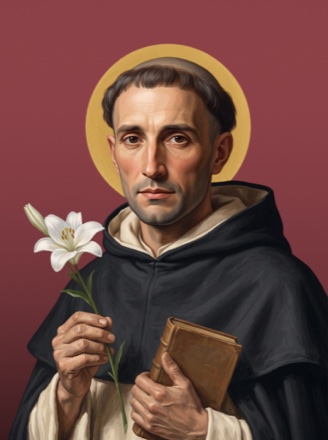
ŚW. DOMINIK
Założyciele
Policz świętych z Cnotą Umiarkowania. Tego świętego nie licz.
MMXXVI18/40
Two separate points, counted at the end: the Intercessor and the lifted Trial.
The card in your hand matches the saint in the Circle — you can lay it beside that saint. What happens when a Trial lands next to it?NIECZYSTOŚĆ touches the saint in the Circle. Nobody can lay a card beside that saint through what joined the two — the card in your hand has to go somewhere else. The saint itself stays in the Circle and still counts. It is lifted by a saint with the Virtue CZYSTOŚĆ.ŚW. JÓZEF carries that Virtue — and a Trial never hinders a saint with its own Virtue. It lies beside the Trial, so call that saint: answer its Challenge. You put your marker on it — it becomes your Intercessor (+1), and the lifted Trial goes in front of you (+1). Its square stays empty: the cards do not slide. The card in your hand can be laid again.
SP
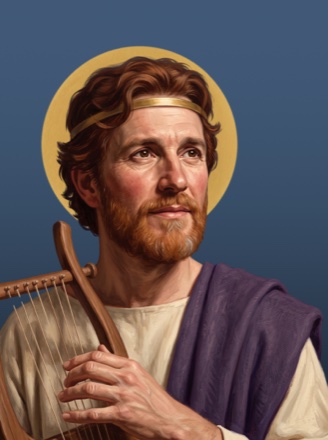
DAWID
Królowie
Pokaż innego króla albo królową. Nie ma? Powiedz: „nie ma”.
MMXXVI04/40
Intercessor · +1
ZAZDROŚĆ
„Czemu on, a nie ja?”
LECZY
Do świętych obok mnie nie dopasujesz karty Cnotą.
MMXXVIPRÓBA 4/7
lifted · +1
in the Circle
SP
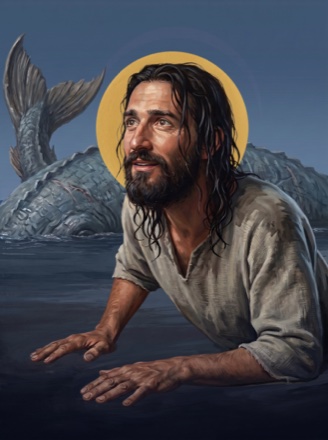
JONASZ
Prorocy
Kogo jest więcej: ze Starego Przymierza czy z Czasów Jezusa? Może po równo? Tego świętego nie licz.
MMXXVI05/40
Joined by the Virtue GORLIWOŚĆ
from your hand
CJ
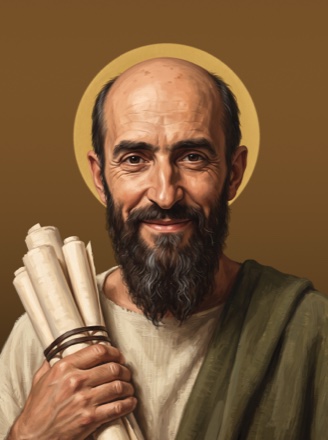
ŚW. PAWEŁ
Apostołowie
Policz świętych z Cnotą Gorliwości. Tego świętego nie licz.
MMXXVI16/40
Two separate points, counted at the end: the Intercessor and the lifted Trial.
The card in your hand matches the saint in the Circle — you can lay it beside that saint. What happens when a Trial lands next to it?ZAZDROŚĆ touches the saint in the Circle. Nobody can lay a card beside that saint through what joined the two — the card in your hand has to go somewhere else. The saint itself stays in the Circle and still counts. It is lifted by a saint with the Virtue MIŁOŚĆ.DAWID carries that Virtue — and a Trial never hinders a saint with its own Virtue. It lies beside the Trial, so call that saint: answer its Challenge. You put your marker on it — it becomes your Intercessor (+1), and the lifted Trial goes in front of you (+1). Its square stays empty: the cards do not slide. The card in your hand can be laid again.
SP
ESTERA
Królowie
Kogo jest więcej: z Cnotą Hojności czy z Cnotą Umiarkowania? Może po równo? Tego świętego nie licz.
MMXXVI06/40
Intercessor · +1
NIEUMIARKOWANIE
„Jeszcze! Jeszcze!”
LECZY
Jeśli położysz kartę obok mnie, nie dobierasz nowej karty.
MMXXVIPRÓBA 5/7
lifted · +1
in the Circle
K
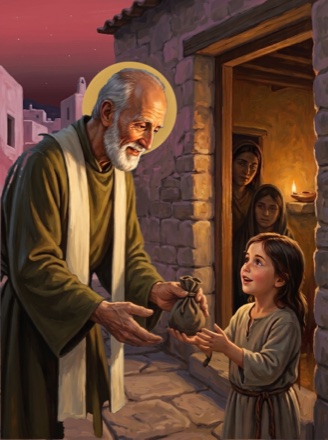
ŚW. MIKOŁAJ Z MIRY
Pasterze
Policz świętych z Cnotą Hojności. Tego świętego nie licz.
MMXXVI12/40
Joined by the Virtue HOJNOŚĆ
from your hand
K
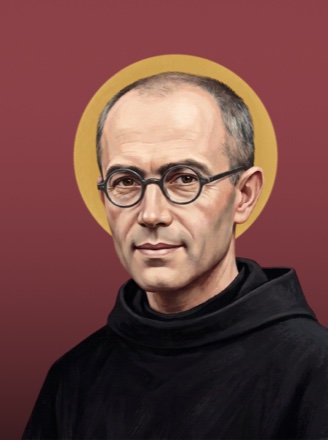
ŚW. MAKSYMILIAN KOLBE
Męczennicy
Policz wszystkich świętych. Tego świętego nie licz.
MMXXVI20/40
+ you draw a card
Two separate points, counted at the end: the Intercessor and the lifted Trial.
You lay a card from your hand into the Circle — and, as always, draw a new one. What happens when a Trial lands next to it?NIEUMIARKOWANIE lies right beside. You can still lay the card — but whoever lays it next to this Trial draws no new card this turn. It is lifted by a saint with the Virtue UMIARKOWANIE.ESTERA carries that Virtue — and a Trial never hinders a saint with its own Virtue. It lies beside the Trial, so call that saint: answer its Challenge. You put your marker on it — it becomes your Intercessor (+1), and the lifted Trial goes in front of you (+1). Its square stays empty: the cards do not slide. You draw again after laying a card.
SP
NOE
Patriarchowie
Pokaż innego patriarchę. Nie ma? Powiedz: „nie ma”.
MMXXVI01/40
Intercessor · +1
GNIEW
„Zaraz wybuchnę!”
LECZY
Świętych obok mnie nie wezwiesz – chyba że mają Cnotę Cierpliwości.
MMXXVIPRÓBA 6/7
lifted · +1
in the Circle
CJ
ŚW. MAREK
Ewangeliści
Pokaż innego ewangelistę. Nie ma? Powiedz: „nie ma”.
MMXXVI10/40
can be called
Two separate points, counted at the end: the Intercessor and the lifted Trial.
The saint lies silent in the Circle — on your turn you can call it. What happens when a Trial lands next to it?GNIEW touches this saint. It stays in its place, but while the Trial is beside it, nobody can call it — unless that saint has Cierpliwość. It is lifted by a saint with the Virtue CIERPLIWOŚĆ.NOE carries that Virtue — and a Trial never hinders a saint with its own Virtue. It lies beside the Trial, so call that saint: answer its Challenge. You put your marker on it — it becomes your Intercessor (+1), and the lifted Trial goes in front of you (+1). Its square stays empty: the cards do not slide. The saint can be called again.
SP
MOJŻESZ
Prorocy
Pokaż innego proroka. Nie ma? Powiedz: „nie ma”.
MMXXVI03/40
Intercessor · +1
LENISTWO
„Nie chce mi się…”
LECZY
Świętych obok mnie nie wezwiesz – chyba że mają Cnotę Gorliwości.
MMXXVIPRÓBA 7/7
lifted · +1
in the Circle
K
ŚW. KLARA
Założyciele
Pokaż innego założyciela. Nie ma? Powiedz: „nie ma”.
MMXXVI37/40
can be called
Two separate points, counted at the end: the Intercessor and the lifted Trial.
The saint lies silent in the Circle — on your turn you can call it. What happens when a Trial lands next to it?LENISTWO touches this saint. It stays in its place, but while the Trial is beside it, nobody can call it — unless that saint has Gorliwość. It is lifted by a saint with the Virtue GORLIWOŚĆ.MOJŻESZ carries that Virtue — and a Trial never hinders a saint with its own Virtue. It lies beside the Trial, so call that saint: answer its Challenge. You put your marker on it — it becomes your Intercessor (+1), and the lifted Trial goes in front of you (+1). Its square stays empty: the cards do not slide. The saint can be called again.
Choose a Trial
Tap a card to see it big.
Every Trial has one Virtue that answers it — and a saint with that Virtue, lying beside it and called by anyone at the table, lifts it from the Circle. "We are not contending against flesh and blood" (Eph 6:12): a child meets this here as a rule of play, long before meeting it as a sentence.